What Is Complex Trauma? When the Wound Is the Relationship
What if the hardest thing to explain was not what happened to you, but the fact that nothing obvious happened at all?
You know something changed you. You live with anxiety, shame, hypervigilance or the feeling that relationships are never quite safe. Yet when people ask what happened, you struggle to answer.
This is common in complex trauma. The wound is not always a single event. Sometimes, the wound is the relationship or, more accurately, what that relationship taught your nervous system about yourself, other people and the world.
This has a name, and it is called complex trauma. Sometimes referred to as C-PTSD or developmental trauma, it can develop through repeated experiences of fear, emotional neglect, control or relational harm, often within the very relationships that were meant to provide safety.
What Complex Trauma Actually Is
Complex trauma describes what can happen when a person lives through repeated experiences of fear, helplessness, neglect, control or emotional unsafety, particularly within relationships they depend on.
Unlike single-event trauma, complex trauma often develops gradually, across months or years, in environments where escape was not possible, safe or even imaginable. It may arise from childhood abuse or emotional neglect, growing up with a frightening or unavailable caregiver, living with coercive control, or being repeatedly made responsible for someone else’s emotional world.
The harm is not only in what happened, but in who you had to become in order to survive it.
A child who cannot rely on safety may become hypervigilant. A partner living with coercive control may learn to monitor every change in mood. Someone whose needs were repeatedly ignored may disconnect from wanting anything at all.
Over time, these adaptations can become so familiar that they no longer feel like responses to trauma. They feel like personality. That is part of why complex trauma can be so difficult to recognise.
Complex PTSD is formally recognised in the ICD-11, although the DSM-5 does not list it as a separate diagnosis. Whether or not a formal diagnosis applies, repeated relational harm can affect emotional regulation, relationships, the body and the sense of self. Just as importantly, these patterns can be worked with.
The Conditions That Produce Complex Trauma
Complex trauma often develops where three conditions occur together: repeated or prolonged exposure to harm, limited ability to escape, and dependency on the person, system or environment causing the harm.
This is why it so often begins in childhood. A child cannot simply leave a family system; they depend on the people around them for care, protection, emotional regulation and a developing sense of who they are. Complex trauma can arise through physical, sexual or emotional abuse, as well as neglect. It can also develop in less obvious environments: growing up with a caregiver who was chronically unavailable, frightening, addicted, mentally unwell or emotionally unpredictable.
Sometimes the harm lies not only in what was done, but in what was consistently missing: attunement, comfort, protection, repair, interest or the experience of being genuinely seen.
Complex trauma can also develop in adulthood, particularly in relationships or systems where a person feels trapped or unable to leave safely. Prolonged domestic violence, coercive control, institutional abuse, trafficking, captivity and ongoing relational degradation can all produce complex trauma responses.
Parentification can also be part of this picture. A child may become responsible for managing a parent’s emotional world, taking on the role of helper, mediator, confidant or caregiver rather than being cared for themselves.
What these experiences share is that the threat is ongoing and often occurs within the very relationships or environments that are meant to provide safety: family, home, intimate relationships, caregiving systems, institutions or communities.
When danger comes from someone you depend on, love or hope will comfort you, the nervous system faces an impossible bind. The person who should be a source of safety is also a source of fear.
That bind can shape how relationships are experienced long afterwards. Closeness may feel both deeply wanted and dangerous. Care may feel comforting and suspicious at the same time. Safety may feel unfamiliar, not because the person does not want it, but because their nervous system learned that relationships could not be relied upon.
Reflection: If you are reading this and thinking your childhood was not “bad enough” to qualify, that thought is worth noticing. Complex trauma does not require dramatic abuse. It can come from chronic emotional conditions that left you without what you needed to develop a stable sense of self and safety.
Many people with developmental trauma have no single event to point to. The absence of one defining event does not mean the absence of a wound.
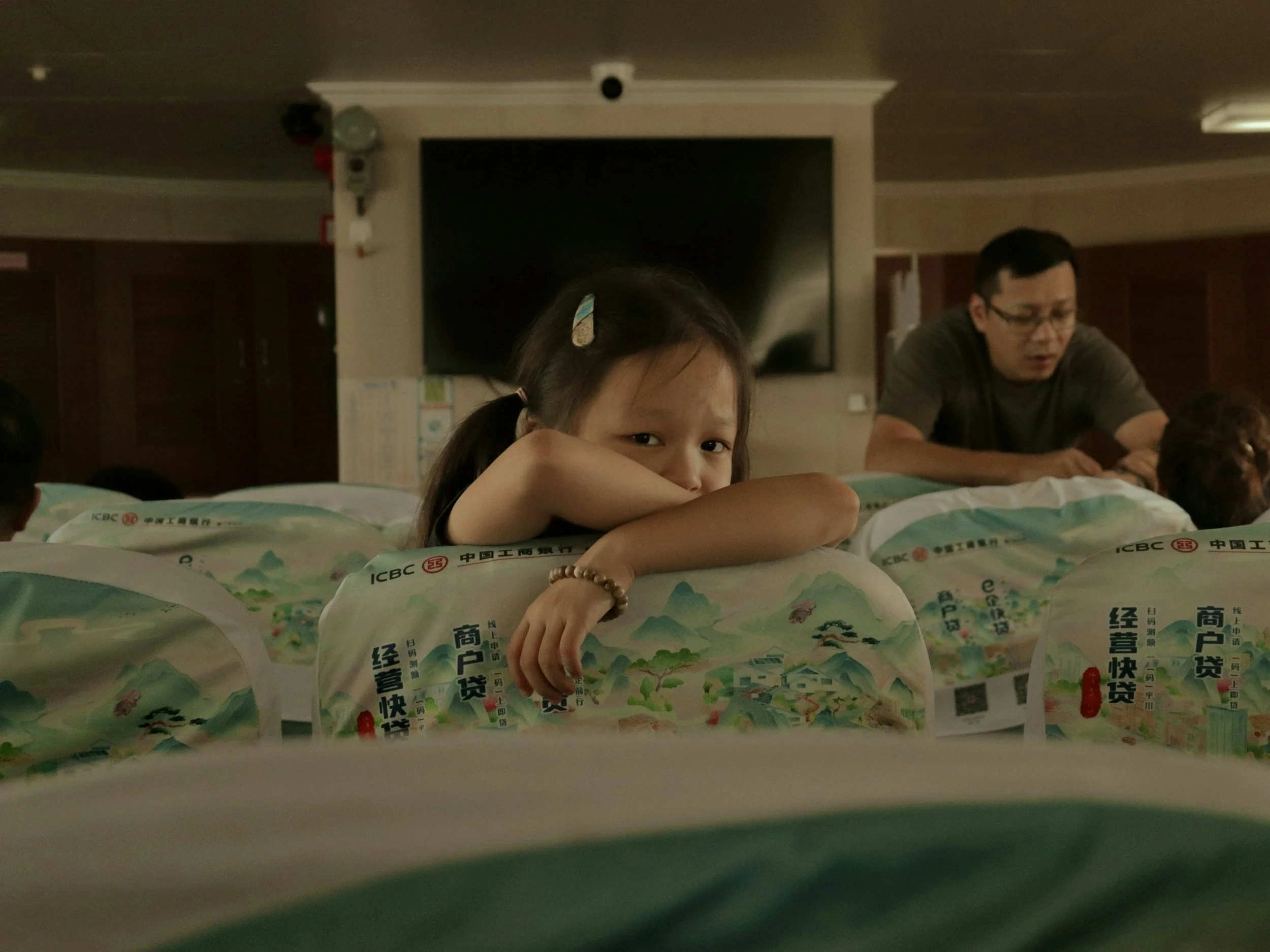
Complex trauma is often shaped not only by what happened, but by what was missing in the relationships meant to provide safety.
How Complex Trauma Differs From PTSD
When people think of PTSD, they often think of flashbacks, nightmares or intrusive memories connected to a specific event, such as an assault, accident or natural disaster. The body and mind continue to respond as though the danger has not fully passed.
Complex trauma can include those symptoms, but it often looks different. Rather than being organised around one clear memory, complex trauma tends to affect the whole system: how you feel, how you relate, how safe you feel in your body, and how you understand yourself.
It can show up as emotions that feel too big, too sudden or impossible to settle. You may move quickly into panic, rage, overwhelm, shame, numbness or shutdown. Sometimes the reaction seems disproportionate to what just happened, but your nervous system is responding not only to the present moment, but through the lens of what it has learned before.
It can show up as a deep sense of being wrong. Not just low confidence, and not simply “negative thinking”, but a felt sense that something about you is too much, not enough, burdensome, difficult or unacceptable. Many people with complex trauma carry shame as a baseline experience. They may blame themselves automatically, even for things that were never their responsibility.
This is not a character flaw. It is often a survival adaptation. For a child, it can feel safer to believe “something is wrong with me” than to fully know “the people I depend on are not safe enough”. Self-blame can become a way of preserving attachment, even when that attachment is painful.
It can show up in relationships. You may long for closeness but feel frightened when it arrives. You may struggle to trust people who are actually safe. You may scan for shifts in tone, mood or distance. Conflict may feel like abandonment. Or you may find yourself repeating familiar relationship patterns, even when part of you can see they are hurting you. These patterns are not random. They are the nervous system trying to navigate intimacy using the map it was given, a map drawn in conditions where closeness was not reliably safe.
Complex trauma can also involve dissociation. This might look like spacing out, feeling unreal, losing time, going blank, disconnecting from your body, or feeling as though you are watching yourself from a distance. Dissociation is not a weakness; it is a form of protection. When something is too overwhelming to stay present for, the nervous system finds another way to survive.
It can show up in the body. Chronic tension, exhaustion, digestive problems, pain, headaches, immune issues, sleep difficulties, or a body that always seems to be bracing can all be part of the picture. The body often carries what the mind has had to survive.
The difference between PTSD and complex trauma is not simply one of severity. It is that complex trauma is often more woven through the person's life, affecting memory, emotion, identity, relationships, and the ability to feel safe. That is why people often say I don't know what's wrong with me, when the more accurate question may be: What did I have to adapt to?
The Wound to the Sense of Self
One of the most painful effects of complex trauma is the way it can change how a person sees themselves.
When trauma happens in a relationship, especially in childhood, it does more than leave memories of painful experiences. It shapes a self that is still developing. A child is not yet a fully formed person to whom something bad happens. They are becoming themselves within the relationships and environments around them.
When that environment is unsafe, emotionally absent, unpredictable or organised around the needs of a dysregulated caregiver, the child adapts. Not because there is something wrong with them, but because adaptation is how children survive.
They may learn to become invisible, small, undemanding or “no trouble”. They may become hypervigilant: always scanning, monitoring and managing. They may become whatever the caregiver needs them to be: the helper, confidant, scapegoat, golden child or peacekeeper. Or they may disconnect from their inner world entirely because having needs, feelings or a different perspective was too costly.
Over time, a version of the self becomes organised around survival. It may be highly functional. From the outside, it may look capable, responsible, thoughtful or independent. Underneath, however, it is often organised around managing danger, managing other people and remaining acceptable enough to stay safe. Because these adaptations formed early, before there was language for what was happening, they rarely feel like adaptations. They feel like who you are.
Recovery from complex trauma can involve beginning to recognise which parts of the self developed in response to unsafe conditions, while creating space for other ways of being that may not have felt possible before.
Reflection: Is there a version of yourself that only exists when no one needs anything from you? A quieter, less managed version that occasionally surfaces and then gets quickly put away? That version is worth paying attention to.
Why Complex Trauma Is So Hard to Name
One of the most common things people with complex trauma histories say is: “Other people had it much worse than me.”
Sometimes this is an attempt to keep perspective. But often, it is also part of the trauma itself. Many people learned to minimise their experience in the same environments where the harm occurred. They learned not to need too much, complain, make a fuss or trust their own sense that something was wrong.
So when they begin to wonder whether what happened to them “counts”, the old minimising voice often appears first.
There May Be No Single Event to Point To
Our cultural understanding of trauma is largely event-based. We recognise it more readily when there is a clear incident: an assault, an accident, a disaster or a moment when life divides into before and after.
Complex trauma does not always offer that clarity. The harm may accumulate quietly over years: through a chronically unavailable parent, a home where emotions were unsafe, a relationship where your sense of reality gradually eroded, or a childhood in which nothing dramatic happened but no one really noticed what you needed.
When there is no single event, people often struggle to legitimise their pain. They may think: Nothing that bad happened. My parents did their best. Other people had it worse.
These things may be true, or partly true, and still not capture the impact. The nervous system does not record only what people intended. It records the conditions you lived within: what you repeatedly encountered, feared and lacked.
The People Who Hurt You May Also Have Been Loved
Complex trauma can be difficult to name because the source of harm is often someone you were attached to: a parent, a partner or a whole family system. They may have been someone you needed and loved, and someone who may also have loved you in the ways they were capable of.
This creates a painful ambivalence. Naming the harm can feel like betrayal. It may feel as though you are condemning the person or rewriting the entire relationship as bad.
But naming what happened is not the same as reducing someone to the worst thing they did, or failed to do.
You can hold more than one truth. Your parent may have been doing the best they could with what they had, and what they could offer may still not have been enough to protect you from harm. A partner may have been wounded themselves and still have caused damage. A family may have contained love, loyalty and sacrifice while still leaving you without the emotional safety you needed.
These are not necessarily contradictions. Often, they are the complexity itself.
The Symptoms May Not Look Like Trauma
Complex trauma does not always present as obvious distress. More often, it appears as patterns: depression that does not seem to lift, anxiety without a clear object, a body that is always bracing, an exhausting need to manage other people’s feelings, shame that seems to have no beginning, or relationships that repeat in ways you can recognise but cannot seem to interrupt.
Because these patterns do not always look like trauma, they may be treated separately. Anxiety is managed. Depression is medicated. Relationship difficulties are attributed to personality.
That support may help, but it may not reach the root. Many people receive partial relief without being helped to ask a deeper question:
What happened around me, or failed to happen for me, that made these patterns necessary?
How Complex Trauma Shapes the Nervous System
Human beings are wired for attachment. As children, we do not simply prefer closeness, comfort and protection; we depend on them. A child turns towards a caregiver for safety just as they turn towards food, warmth and shelter.
When caregivers are reliable enough, the child gradually learns: When I am frightened, someone comes. When I am upset, someone helps me settle. When I need comfort, closeness is safe. Through these repeated experiences, the nervous system begins to associate relationships with safety.
In complex trauma, this learning can become painfully confused. When the person a child depends on is also frightening, unpredictable, rejecting, intrusive or emotionally unsafe, the child faces an impossible bind. Fear activates the need to move towards the caregiver, but the caregiver is also the source of fear. There is nowhere reliably safe to turn.
This can shape a person’s experience of closeness long afterwards. One part of them may deeply long for connection while another braces against it. Care can feel comforting and threatening at the same time. Intimacy may bring both relief and dread. Someone moving closer may be exactly what they want and what their nervous system has learned to fear.
This is not irrational. It is not “being dramatic” or “sabotaging a good thing”. It is the nervous system following an old map—one drawn in conditions where closeness was not reliably safe.
Healing does not happen by simply telling yourself that the map is wrong. It develops through repeated experiences in which closeness does not lead to danger, conflict does not lead to abandonment, having needs does not lead to punishment, and being seen does not mean being controlled.
Over time, the nervous system can begin to draw a new map.
Reflection: Notice what happens in your body when someone moves towards you emotionally. What happens when someone expresses care, asks how you really are, stays present through something difficult or offers reassurance without demanding anything in return?
What Recovery From Complex Trauma Actually Looks Like
Recovery from complex trauma is rarely quick or linear. It is not usually a matter of telling the story once, understanding what happened and then feeling better.
Because complex trauma often occurred in relationship, healing also tends to happen through relationship: through safety, trust, pacing and the gradual experience of being met differently over time.
A helpful way to understand recovery is through three broad phases: stabilisation, processing and integration. These are not rigid or sequential steps. People often move back and forth between them, but the framework helps explain why trauma work needs to proceed carefully.
Phase One: Stabilisation
Stabilisation is about building enough safety to do the work. This may involve learning to recognise when your nervous system is moving into panic, shutdown, numbness, shame or overwhelm, and developing ways to steady yourself when those states arise. It can also mean making life outside therapy as safe and supported as possible, particularly when there are ongoing sources of threat, stress or instability.
Stabilisation is not a delay before the “real work” begins. It is part of the work.
The therapeutic relationship matters here. Being met consistently, without judgement or pressure to move faster than your system can manage, can itself become a reparative experience.
Over time, the nervous system begins to register something new: I can be upset and not be abandoned. I can have needs and not be punished. I can be seen and still be safe.
Phase Two: Processing
Processing does not mean forcing yourself to remember everything or retell every painful detail. For many people with complex trauma, important material is not held as a clear story. It may be held in the body, in emotional reactions, shame, relationship patterns or protective responses that arise before the thinking mind has time to catch up.
Processing means approaching what has been held at a pace the nervous system can tolerate. This may involve memories, but it may also involve body sensations, emotional states, protective parts, old beliefs, grief, anger, fear or the meanings formed at the time.
The aim is not to relive the trauma. It is to help the nervous system recognise that what happened belongs to the past rather than the present. This is careful work. Too much, too quickly, can overwhelm the system. Too little, and the trauma may remain untouched. The work lies in finding a pace that allows something to be felt, understood and integrated without flooding.
Phase Three: Integration
Integration is what happens as the trauma becomes part of your story rather than the force silently organising your life It does not mean forgetting what happened or deciding that it no longer matters. It means locating it more accurately: in the past, in the conditions in which it occurred and with the people who were responsible.
Instead of carrying the trauma as proof that something is wrong with you, integration allows a different understanding: This happened to me. I adapted to survive it. Those adaptations made sense then, but they do not have to define all of who I am now.
Integration also involves developing capacities that complex trauma may have disrupted: trust, boundaries, emotional regulation, self-compassion, closeness, the ability to have needs without shame and the ability to be seen without bracing.
These capacities do not arrive all at once. They develop through repeated experiences that allow the nervous system to revise its old expectations.
What Recovery Does Not Look Like
Recovery is not a straight line. It loops and doubles back. There may be sessions that feel significant, followed by weeks in which little seems to move. Periods of stability may be followed by sudden dysregulation. This can feel like regression, but it does not necessarily mean that progress has been lost.
Healing does not mean that the past disappears. It means your relationship to it changes. You become more able to carry what happened without being organised by it, and to develop a sense of self that extends beyond the conditions that shaped you. That is possible.
In my practice, complex trauma work centres on safety, relationship, regulation and meaning-making. Recovery is not about forcing insight or moving quickly into painful material. It is about building enough safety for change to become possible.
Getting the Right Support
Not all therapy approaches complex trauma in the same way. This matters, especially if you have tried therapy before and found it helpful in some respects, while still feeling that something deeper was not being reached.
Talk therapy can be genuinely useful. Understanding your patterns, finding language for what happened and making sense of your responses can reduce shame. But with complex trauma, insight alone is often not enough. You may understand exactly why you fawn, freeze, shut down, over-function or become hypervigilant. Yet when your nervous system senses threat, that understanding can suddenly feel unavailable. The body may move into protection before the thinking mind has time to catch up.
This is why complex trauma therapy often needs to work with the body as well as the mind.
Approaches that understand relational trauma pay attention to nervous system states, emotional patterns, attachment responses, protective parts, shame, dissociation and what happens within the therapeutic relationship itself.
Pace matters. Moving too quickly into painful material before there is enough safety can leave someone feeling overwhelmed rather than helped.
It is also important to know that healing is not primarily about remembering more. Many people with complex trauma have gaps in memory, fragmented memories or no clear narrative of what happened. This does not mean the trauma is not real, and it does not make healing impossible.
Recovery does not require a complete story. Therapy can work with what remains present in the body, emotions, relationship patterns, protective responses and the ways the nervous system has learned to survive.
When looking for support, it is reasonable to ask a therapist about their experience with complex trauma, C-PTSD, developmental trauma and relational trauma. You might also ask how they pace trauma work, approach stabilisation and respond when someone becomes overwhelmed, shut down or dissociated.
The right support should not pressure you to move faster than your nervous system can manage. It should help you develop enough safety to approach what has been too much to carry alone.
A Final Note
If this article has helped you recognise something in yourself, I hope it has also helped you see something else. The ways you learned to survive are not evidence that something is wrong with you. They are evidence that your nervous system adapted to the conditions it lived in.
Those adaptations may no longer serve you in the way they once did. But they made sense. And because they were learned, they can also be gently, patiently reshaped.
If you would like support making sense of your own experiences, and exploring whether complex trauma may be part of your story, you are welcome to get in touch.
📧 kat@safespacecounsellingservices.com.au
📞 0452 285 526
Frequently Asked Questions
Is complex trauma an official diagnosis in Australia?
Complex PTSD, or C-PTSD, is formally recognised in the ICD-11. It is not listed as a separate diagnosis in the DSM-5.
People with complex trauma presentations may instead receive diagnoses such as PTSD, depression, anxiety or Borderline Personality Disorder, depending on their symptoms and the framework being used. A formal diagnosis is not required for these patterns to be real or worth addressing in therapy.
What's the difference between complex trauma and PTSD?
PTSD is often associated with a particular traumatic event, such as an assault, accident or disaster. Complex trauma usually develops through repeated or prolonged experiences of threat, neglect, control or emotional unsafety, often within relationships.
In addition to symptoms associated with PTSD, complex trauma can affect emotional regulation, relationships and the sense of self. There can be significant overlap between the two.
Can complex trauma develop in adulthood?
Yes. Complex trauma often begins in childhood, when the nervous system and sense of self are still developing, but it can also arise through prolonged interpersonal harm in adulthood.
Examples include coercive control, prolonged domestic abuse, institutional abuse, captivity, trafficking and other situations in which a person is repeatedly harmed and cannot leave safely.
I wasn't abused, but I had a difficult childhood. Could I still have complex trauma?
Yes. Complex trauma does not always result from obvious or dramatic abuse. Chronic emotional neglect, emotional unavailability, lack of attunement, growing up with a frightening or overwhelmed caregiver, or being repeatedly unseen can all leave lasting effects.
The nervous system records the conditions you lived within, not only the intentions of the people around you.
How Do I Know Whether My Relationship Difficulties Come From Complex Trauma or Are Just “How I Am”?
This can be difficult to recognise from the inside because trauma adaptations often feel like personality rather than history. It may be worth exploring if the same patterns repeat across relationships, closeness activates fear or shutdown, you feel compelled to manage other people’s emotions, or your sense of self becomes organised around their needs, moods or reactions.
These patterns do not establish a diagnosis, but they may point to something worth understanding with a therapist experienced in complex trauma.
Will I Have to Remember and Retell Everything That Happened?
No. Healing does not require a complete memory or a detailed retelling of every experience.
Many people have gaps, fragments or unclear memories. Trauma therapy can work with what remains present in the body, emotions, nervous system, relationships and protective responses. You do not need a complete story in order to heal.
How is complex trauma different from personality disorders like BPD?
Complex PTSD and Borderline Personality Disorder can overlap. Both may involve emotional intensity, shame, relationship difficulties, fear of abandonment and an unstable or disrupted sense of self. They are not, however, simply different names for the same experience. Each has its own diagnostic features, and some people may meet the criteria for both.
A complex trauma formulation considers how present-day responses may have developed as adaptations to prolonged threat, neglect or relational harm. If you have received a BPD diagnosis and feel that it does not capture the whole picture, it may be helpful to speak with a clinician who understands both complex trauma and personality-related difficulties.
Related Reading