Family Dynamics & Parenting
Family relationships can influence how you understand yourself, what you expect from other people and the roles you take on in close relationships. For some people, the effects of difficult family experiences remain important well into adulthood.
You may have grown up with emotional immaturity, neglect, addiction, family violence or expectations that required you to take on more responsibility than was appropriate for your age. You may also be navigating estrangement, parenting after a difficult childhood or ongoing family relationships that remain complicated now.
The articles here explore those experiences without assuming that one family history produces one particular outcome. They look at what may continue to affect you, what belongs to the past and what you may want to approach differently now.
Where to Start

Emotionally Immature Parents - the Impact and How to Break the Cycle
Do you often feel blamed, dismissed, or confused after expressing a need? This piece looks at what’s happening underneath that pattern.

The Glass Child. When You Were “The Easy One”
You weren’t the child who demanded attention; you were the one who coped quietly. This piece explores what that cost you and why it can still shape you now.
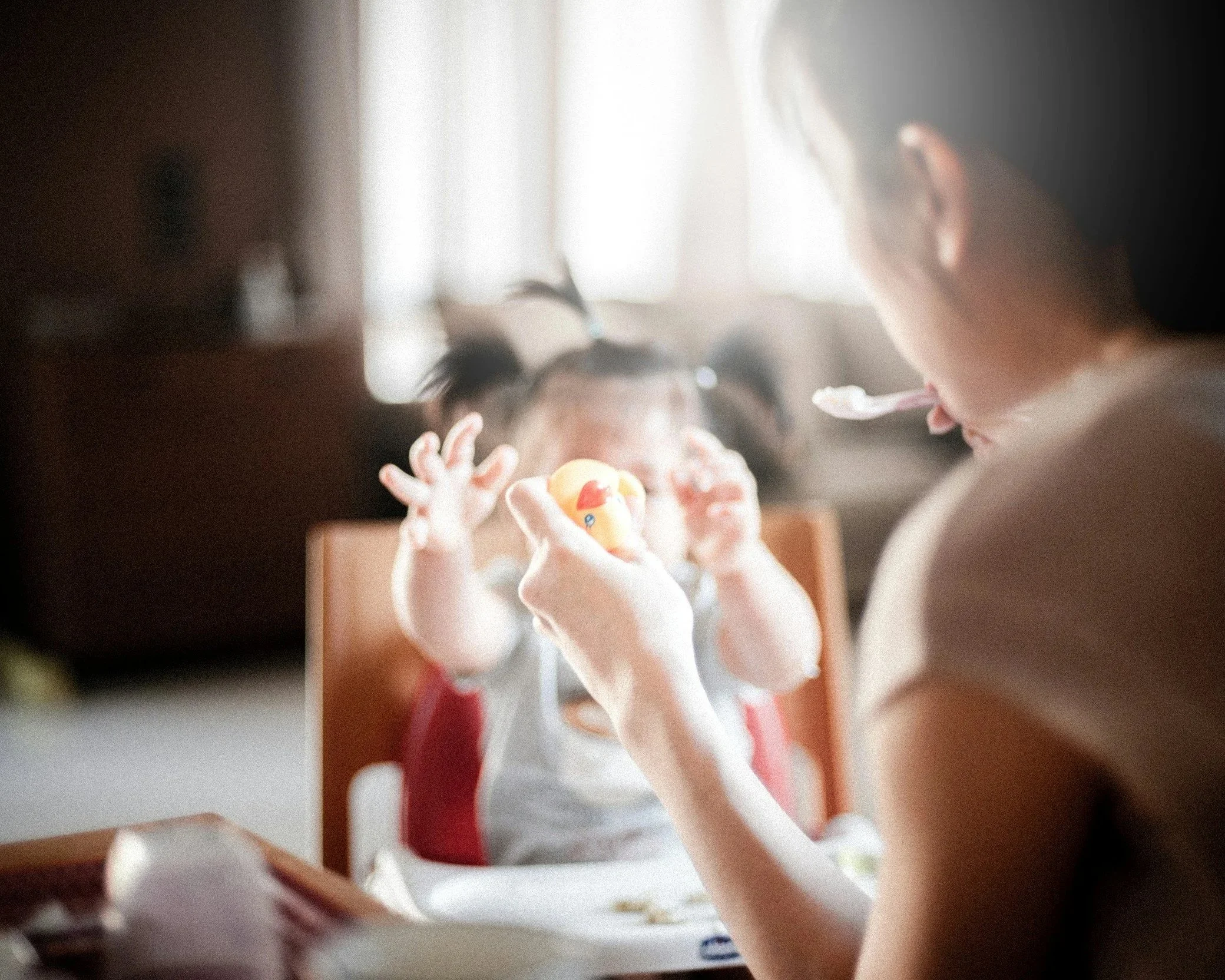
What Is Parentification? Understanding Childhood Role Reversal
Were you the one who kept things together or took care of a parent’s emotional needs? This piece begins to name that experience and its impact.
The Wounds That Shaped You

Growing Up With a Parent Who Drank. How It Can Affect You in Adulthood
Growing up around a parent’s drinking can mean learning to monitor moods, keep family problems private and take on too much responsibility. Explore how those experiences can continue into adulthood.

Mother Wounds. How Emotional Neglect Can Affect Women
A difficult relationship with your mother can affect how you approach closeness, needs, boundaries and independence. Explore the mother wound and how it can continue to matter in adulthood.

When Being Around Family Feels Triggering
Family contact can bring old roles and reactions back surprisingly quickly. Explore why this happens and how to approach boundaries, expectations and contact with more choice.
Parenting After Trauma

When You’ve Had to Mother Without a Map
Parenting can bring your own childhood into focus. When you did not have the model you needed, learning to respond differently can take time, support and practice.
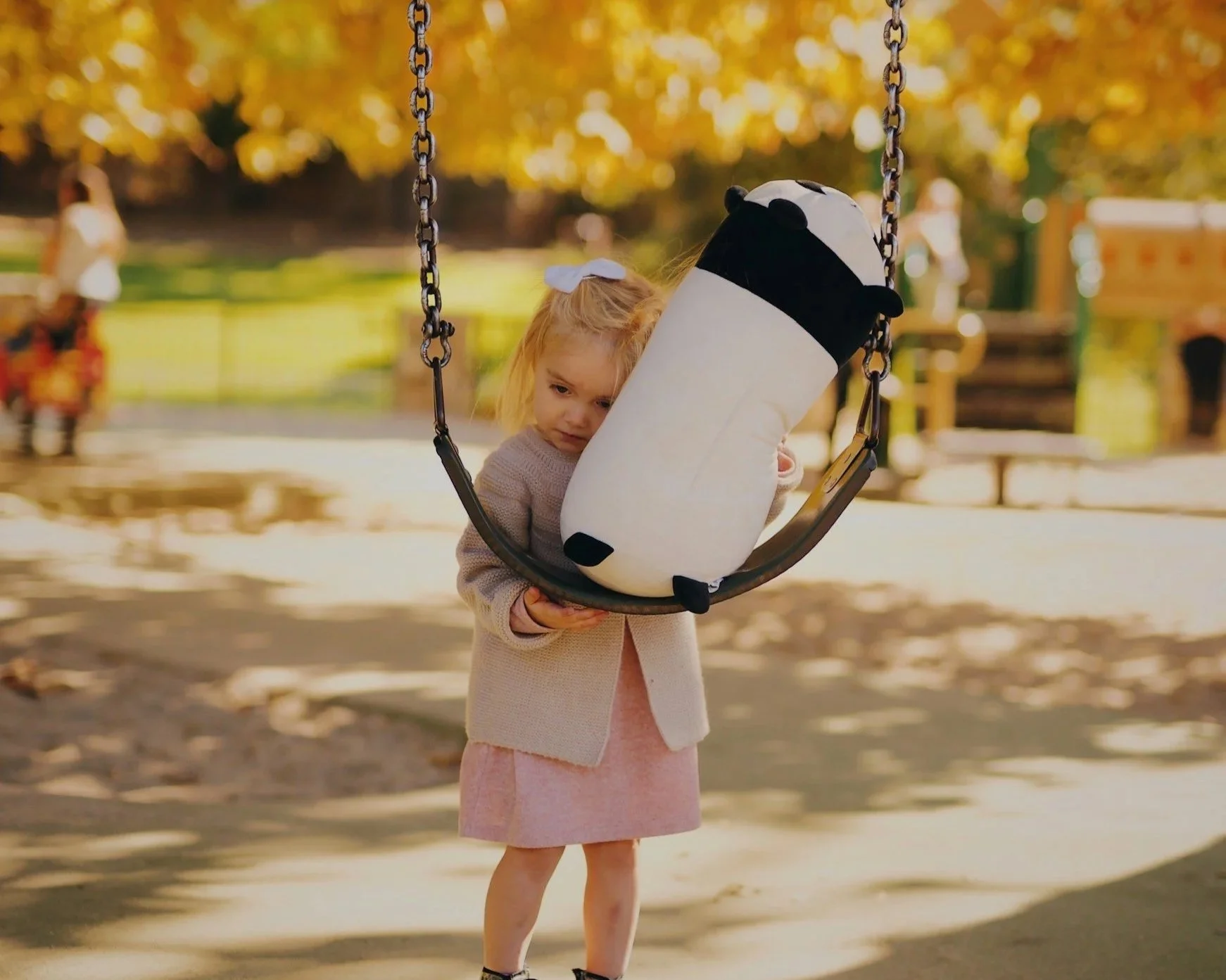
Supporting Your Child After Family Violence
Children can respond to family violence in many different ways. Learn what changes to look for, how to respond and when additional support may help.

Signs of Trauma in Children. What Their Behaviour May Be Telling You
Children do not always have the words to explain when something is difficult. Learn what changes may signal distress, what they can mean and when to seek support.
The Grief No One Names

When Estrangement Feels Like Grief
Estrangement can bring a kind of grief that is difficult to name. Explore ambiguous loss, mixed emotions and how to live with a relationship that has changed.
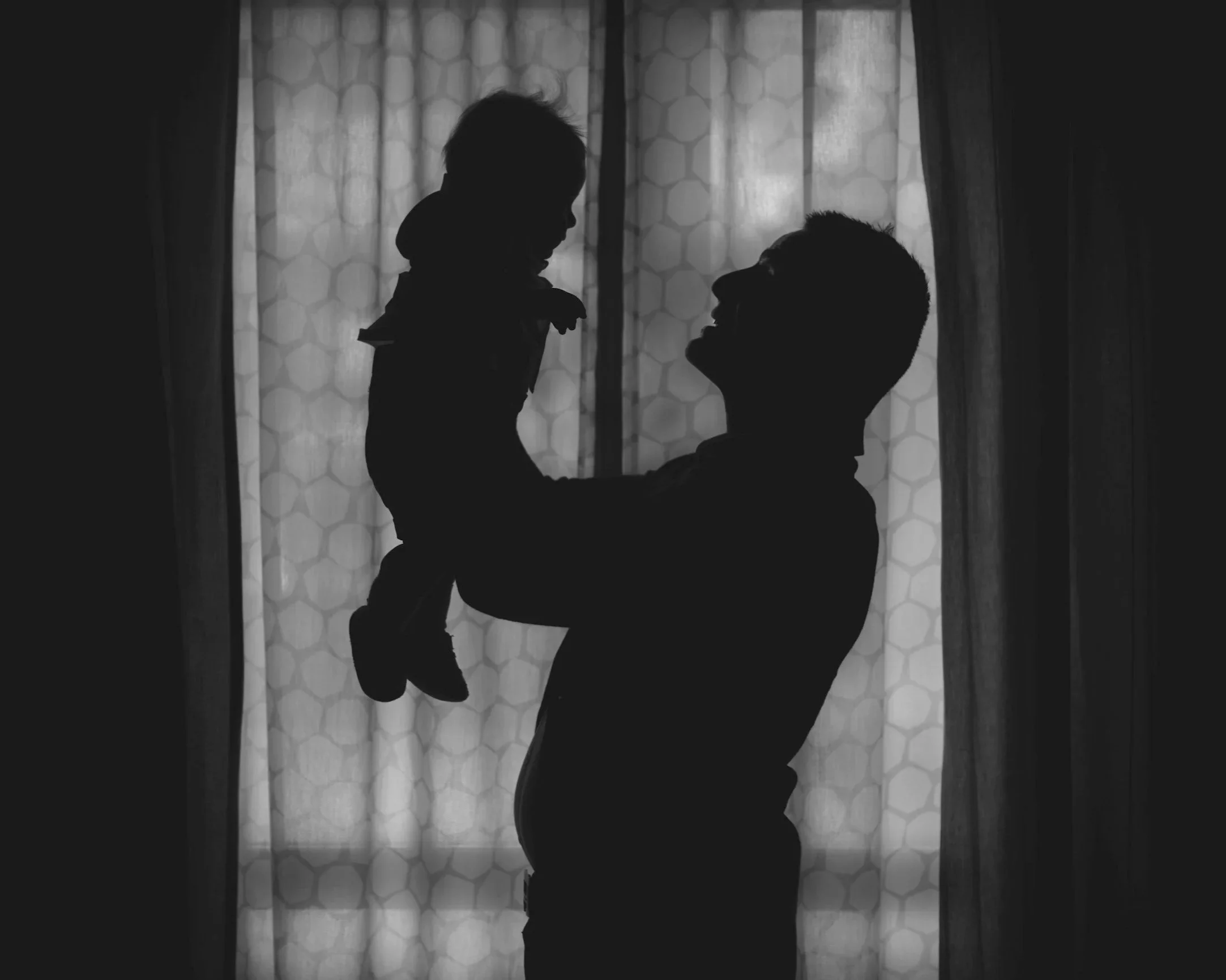
Grief and Estrangement on Father’s Day
Days like Father’s Day can bring up grief, anger, or longing. This piece makes space for what doesn’t fit into simple narratives.

Writing a Letter to an Estranged Family Member
Writing to an estranged family member can bring hope, uncertainty and risk. These five questions can help you decide what you want to say and whether to send it.

When Your Adult Child Walks Away - Estrangement from the Parents’ Side
When an adult child cuts contact, parents are often left with grief and unanswered questions. Explore what may contribute to estrangement and what can support reflection and possible repair.
When Co-Parenting Becomes a Battleground

Post-Separation Abuse: When Control Continues After Leaving
Leaving an abusive relationship does not always end controlling behaviour. Learn how post-separation abuse can continue, what patterns to look for and what may help.

When Parallel Parenting Feels Safer Than Co-Parenting
When frequent communication between separated parents repeatedly creates conflict, parallel parenting may offer a more structured approach. Learn what it means and when it may be considered.
When Co-Parenting Becomes a Tool of Post-Separation Abuse
When children are shared after an abusive relationship, parenting arrangements can become another route for conflict or control. Learn what patterns to look for and how to keep children out of the middle.
Understanding difficult family dynamics doesn’t require a perfect explanation of the past. It can involve noticing the patterns that are affecting you now and finding ways of relating to yourself and others with more clarity, stability and choice.
If you recognise yourself in these patterns, counselling can offer a place to explore them without pressure to blame, forgive, reconcile or make decisions before you are ready.