Shame, Identity & Self-Worth
Shame can shape far more than how you feel about yourself. It can influence what you expect from relationships, how easily you trust your own judgement, whether you feel entitled to have needs, and how quickly you turn against yourself when something goes wrong.
Sometimes shame has roots in criticism, neglect, abuse or relationships in which acceptance felt conditional. It can also develop through bullying, repeated rejection, family roles or experiences that gradually changed how you came to see yourself.
The articles here explore shame, self-criticism, people-pleasing, self-blame and the roles we can carry long after they first became familiar, as well as what can help you develop a more stable sense of yourself.
Where to Start

What Is Toxic Shame? How It Shapes Self-Worth
Toxic shame can turn painful experiences into a broader belief that something is wrong with you. Explore how it develops, how it shows up and how it can affect self-worth.

Toxic Shame in Relationships. When You Feel Fundamentally Not Enough
Shame can shape what you expect from relationships, what treatment you tolerate and how easily you receive care. Explore how it affects intimacy, needs and self-trust.

Was It My Fault? Understanding Self-Blame After Abuse
After abuse, you may keep returning to what you could have done differently. Explore why self-blame can feel so convincing and how it differs from genuine accountability.
Understanding Shame

How Shame Shows Up in Relationships
Shame does not always look like feeling ashamed. It can appear as self-blame, perfectionism, self-silencing or harsh self-criticism..

Why Your Inner Critic Feels So True
Harsh self-judgements can become so familiar that they feel like honest self-knowledge. Explore why the inner critic feels convincing and what can help you respond differently.
Childhood Roles That Follow You Into Adulthood

Why Do I Feel Responsible for Other People's Emotions?
When someone else is upset, do you immediately wonder what you did or how to fix it? Explore how caring can turn into emotional over-responsibility.

The Glass Child. When You Were “The Easy One”
You were the child who coped quietly and tried not to add to the strain. Explore how becoming the “easy one” can continue to shape needs, help and relationships.
How Shame Shapes Your Identity

Why Being the Strong One Is Exhausting
Being capable can become exhausting when you feel you always have to cope alone. Explore why asking for help can feel so difficult and how to make more room for support.

Why “Too Sensitive” Is Often the Wrong Explanation
Being called “too sensitive” can turn a complex experience into a judgement about who you are. Explore sensitivity, hypervigilance and emotional attunement.
How Shame Shapes Your Behaviour
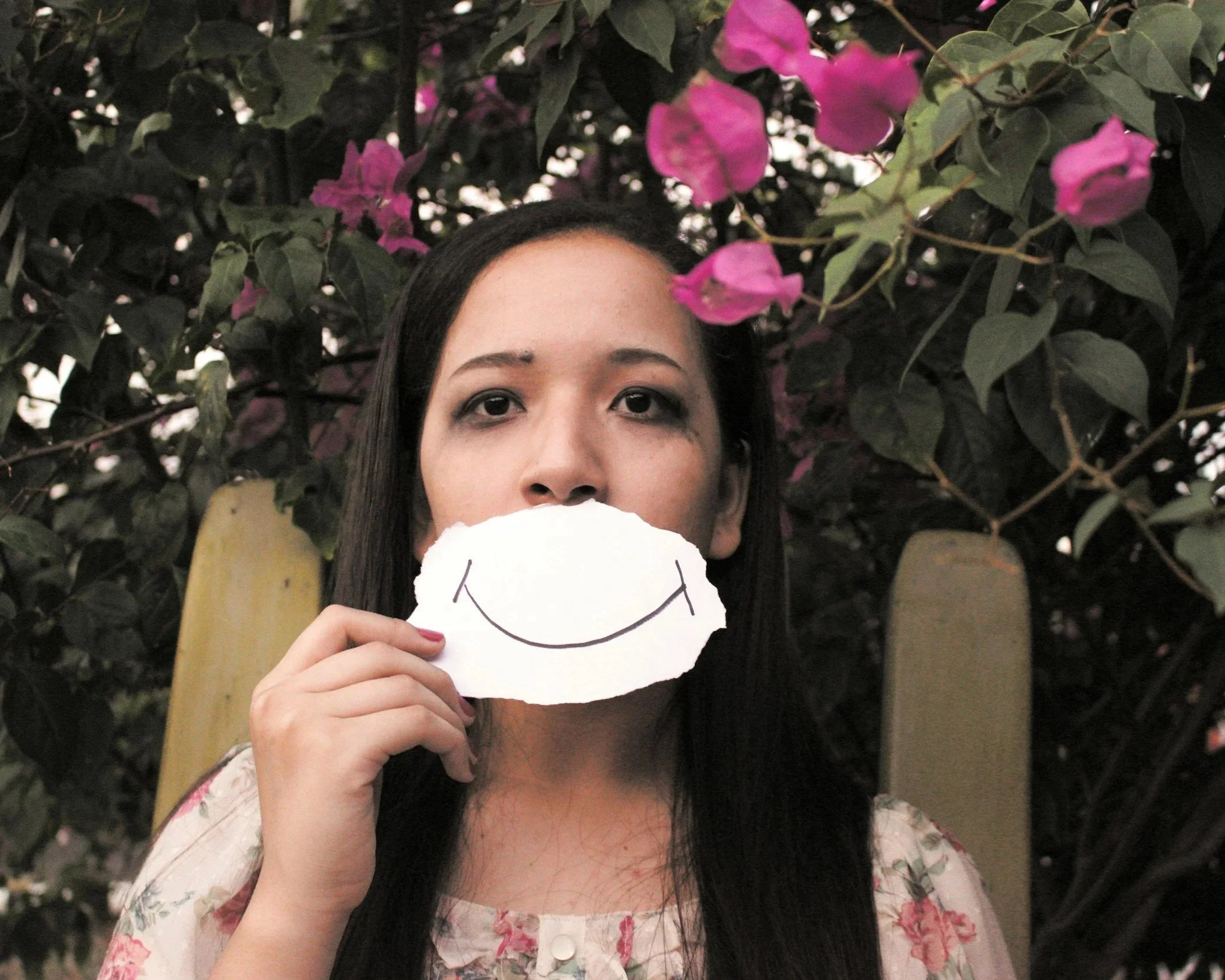
Why You Can’t “Just Say No”?Understanding People-Pleasing
You know you want to say no, but when the moment comes you agree anyway. Explore why people-pleasing can become so automatic and why knowing your boundaries may not be enough.

Why Setting Boundaries Feels So Hard
You may know your boundary is reasonable and still feel guilty for having it. Explore why setting limits can feel so difficult and what can help.

How to Stop People-Pleasing Without Losing Yourself
Changing people-pleasing is not about becoming less caring. Learn how to notice the automatic yes, express what you actually want and handle the discomfort that can follow.
When shame has been part of the way you understand yourself for a long time, it can be difficult to recognise it as something learned rather than simply the truth about who you are.
Change may involve understanding where particular beliefs came from, but it also involves noticing how they operate now: the needs you minimise, the responsibility you take for other people, the boundaries that evoke guilt, or the voice that turns ordinary mistakes into evidence that something is wrong with you.
Therapy can offer a place to explore those patterns without treating them as character flaws and to begin developing a more stable sense of self-worth and self-trust.
You can read more about Shame, Identity & Self-Worth Counselling or book a session if you would like support with this work.