
Trauma, Relationships & Emotional Recovery
Trauma-informed insights on healing, boundaries and emotional safety.
These articles explore the impact of trauma, family violence, estrangement and relational wounds, offering clarity and support for people rebuilding trust in themselves and their relationships. If something here resonates, you’re welcome to reach out for a compassionate, grounding consultation.

Can You Actually Come Out the Other Side?
Trauma recovery is rarely a dramatic transformation. It tends to show up in smaller moments: noticing a trigger sooner, surviving a no, making a decision without dismantling it afterwards. This is what real recovery looks like.
Growing Up With a Narcissistic Mother
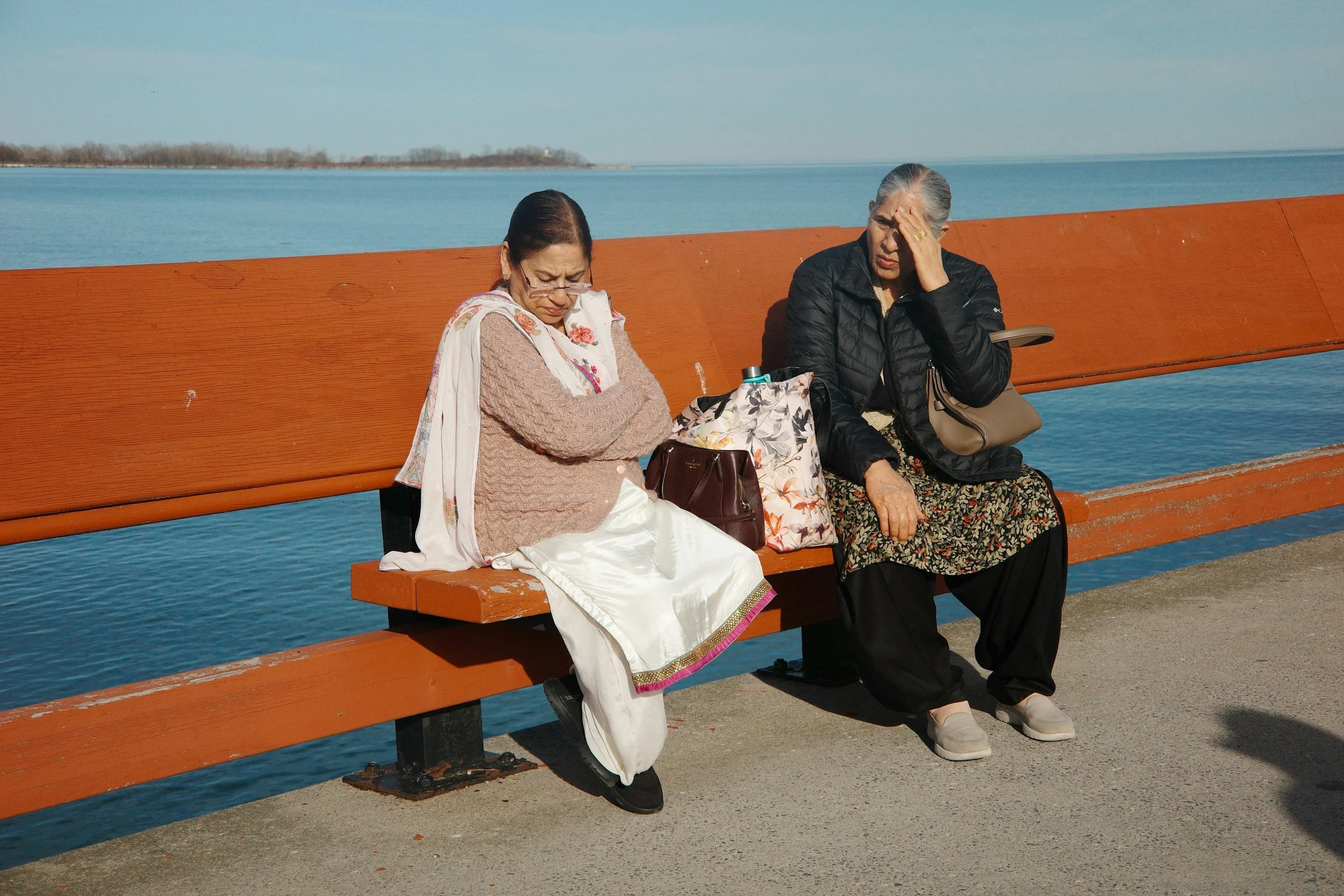
Growing up with a narcissistic mother can leave you questioning your own needs, choices and boundaries long into adulthood. This article explores conditional love, emotional neglect, guilt and what it means to become your own person.

Why Do I Feel Responsible for Other People's Emotions?
Other people’s moods can feel like something you must manage. This piece explores how childhood roles, parentification and shame can turn caring into emotional over-responsibility.

What Is Complex Trauma? When the Wound Is the Relationship
You might not remember a single traumatic event. Instead, you may have grown up feeling unseen, unsafe or responsible for things that were never yours to carry. This is the often-overlooked reality of complex trauma.

Can a Vulnerable Narcissist Change? What Real Change Requires
Can someone with vulnerable narcissistic traits genuinely change? This article explores what meaningful change requires, the difference between accountability and self-pity and what to look for before deciding whether hope is enough.

Why Love Bombing Feels So Powerful
The beginning felt extraordinary, like finally being seen, chosen and understood. This post explores why love bombing can feel so much like love, and how to recognise when intensity is moving too fast.

I Had an Affair. What Do I Do Now?
If you have had an affair, guilt can feel overwhelming. This trauma-informed article explores why affairs happen, how to take accountability without collapsing into shame and what genuine repair can look like.

When Your Nervous System Thinks the Past Is Happening Now
You know you're safe, but your body doesn't. Learn how emotional flashbacks develop after trauma and why seemingly small triggers can provoke intense emotional reactions.

Why Do We Keep Having the Same Fight? When Two Survival Strategies Meet
Sometimes the same argument repeats no matter how much you both care. This explores how two people's survival strategies meet to form a cycle that isn't anyone's fault.
Tag Cloud
- emotional abuse
- nervous system regulation
- attachment styles
- coercive control
- self-trust
- trauma bonding
- gaslighting
- trauma
- shame
- trauma responses
- anxious attachment
- relationship anxiety
- childhood trauma
- avoidant attachment
- toxic relationships
- post-separation abuse
- family estrangement
- parentification
- complicated grief
- narcissism
- freeze response
- emotionally immature parents
- family roles
- generational trauma
- inner critic
- relationship conflict
- hyperarousal
- trauma-informed parenting
- toxic family dynamics
- disenfranchised grief