
Trauma, Relationships & Emotional Recovery
Trauma-informed insights on healing, boundaries and emotional safety.
These articles explore the impact of trauma, family violence, estrangement and relational wounds, offering clarity and support for people rebuilding trust in themselves and their relationships. If something here resonates, you’re welcome to reach out for a compassionate, grounding consultation.
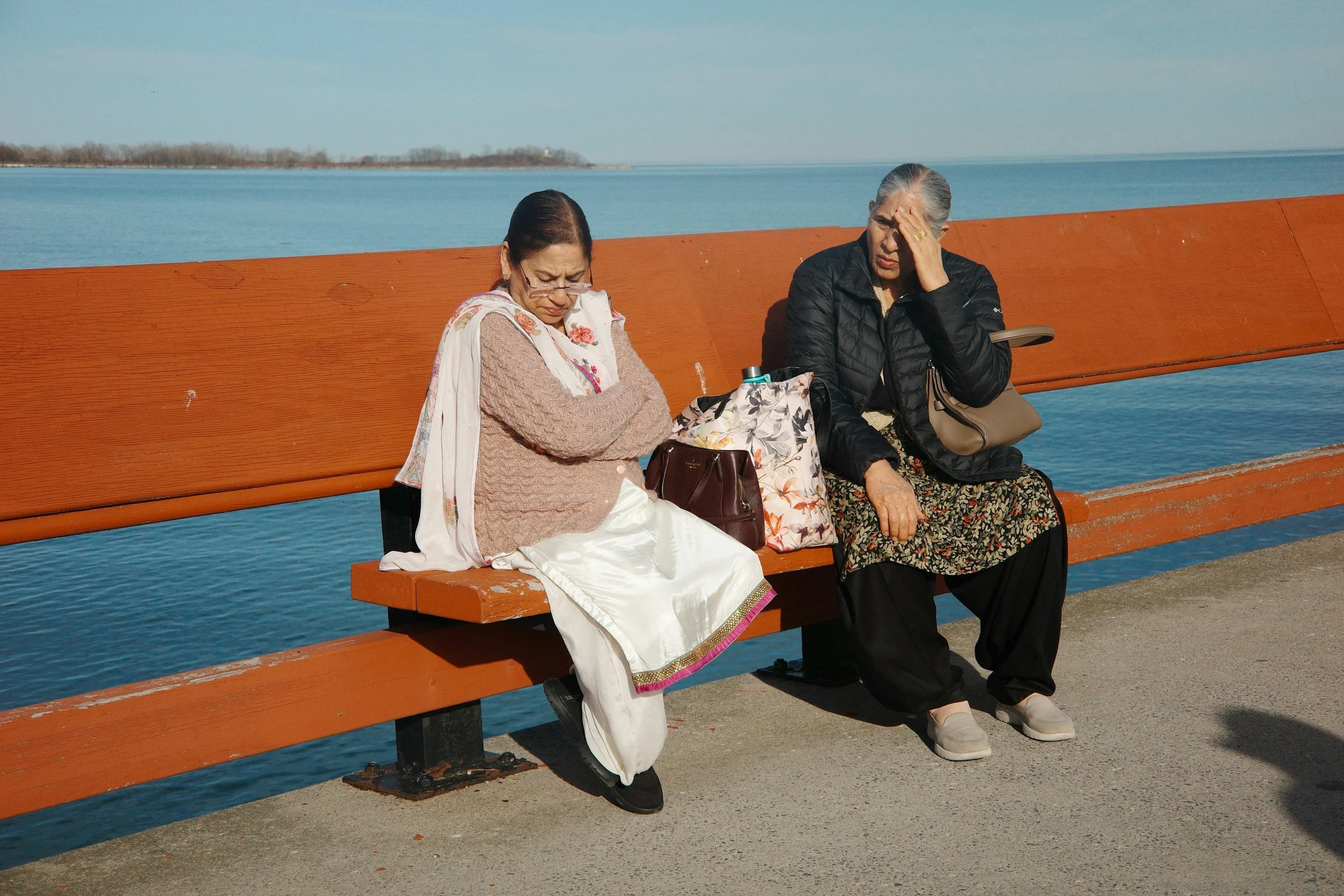
Growing Up With a Narcissistic Mother
Growing up with a narcissistic mother can leave you questioning your own needs, choices and boundaries long into adulthood. This article explores conditional love, emotional neglect, guilt and what it means to become your own person.

Can a Vulnerable Narcissist Change? What Real Change Requires
Can someone with vulnerable narcissistic traits genuinely change? This article explores what meaningful change requires, the difference between accountability and self-pity and what to look for before deciding whether hope is enough.

Why I’m Still in Contact With Someone Who Hurt Me
Knowing someone harmed you does not automatically switch off attachment. This article explores why you may still feel pulled toward contact and why that does not mean you want the abuse back.

Why Narcissistic Partners Feel Like Two Different People
They felt warm, attentive, and deeply connected to you until something shifted. This post explains why narcissistic partners can feel like two different people, and how love bombing, devaluation, and trauma bonding create confusion that’s hard to break.

Gaslighting or Miscommunication? How to Tell the Difference
Have you ever left a conversation wondering whether you misunderstood, or whether your reality was being rewritten? Learn the difference between gaslighting and genuine miscommunication and why it matters for self-trust.

You’re Not Imagining It, Emotional Abuse Explained
Emotional abuse often develops gradually through criticism, gaslighting, withdrawal and control. Learn the warning signs and how these patterns can affect self-trust.

Part 2: How to Repair the Pursue–Withdraw Cycle
When a partner pulls away, it often comes from overwhelm, not lack of love. This guide helps you understand the pursue–withdraw cycle and learn how to give space, reconnect gently, and rebuild emotional safety.

When Abuse Doesn’t Leave Bruises
Emotional abuse often develops gradually through blame, gaslighting, and control. Learn the signs, why it’s hard to recognise and what recovery can look like.

Trauma Bonding or Why Letting Go Feels So Hard
Trauma bonding can make leaving an abusive relationship feel far harder than it looks from the outside. Learn how intermittent reinforcement strengthens the bond, why separation can feel so difficult, and what recovery can involve.
Tag Cloud
- emotional abuse
- nervous system regulation
- attachment styles
- coercive control
- self-trust
- trauma bonding
- gaslighting
- trauma
- shame
- childhood trauma
- anxious attachment
- trauma responses
- relationship anxiety
- avoidant attachment
- toxic relationships
- hyperarousal
- post-separation abuse
- family estrangement
- window of tolerance
- freeze response
- hypoarousal
- emotionally immature parents
- parentification
- complicated grief
- relationship conflict
- narcissism
- family roles
- generational trauma
- trauma-informed parenting
- toxic family dynamics