
Trauma, Relationships & Emotional Recovery
Trauma-informed insights on healing, boundaries and emotional safety.
These articles explore the impact of trauma, family violence, estrangement and relational wounds, offering clarity and support for people rebuilding trust in themselves and their relationships. If something here resonates, you’re welcome to reach out for a compassionate, grounding consultation.

I Am in Love with a Married Man, Now What?
Falling for someone who can't fully choose you can feel confusing, intense, and deeply painful. Understanding why unavailable love feels so compelling is often the first step towards something different.

Why Setting Boundaries Feels So Hard (and What They Actually Look Like in Real Life)
Struggling to say "no"? This trauma-informed guide explores why boundaries feel so difficult, how early experiences shape your relationship with limits and how to protect your energy without being consumed by guilt.
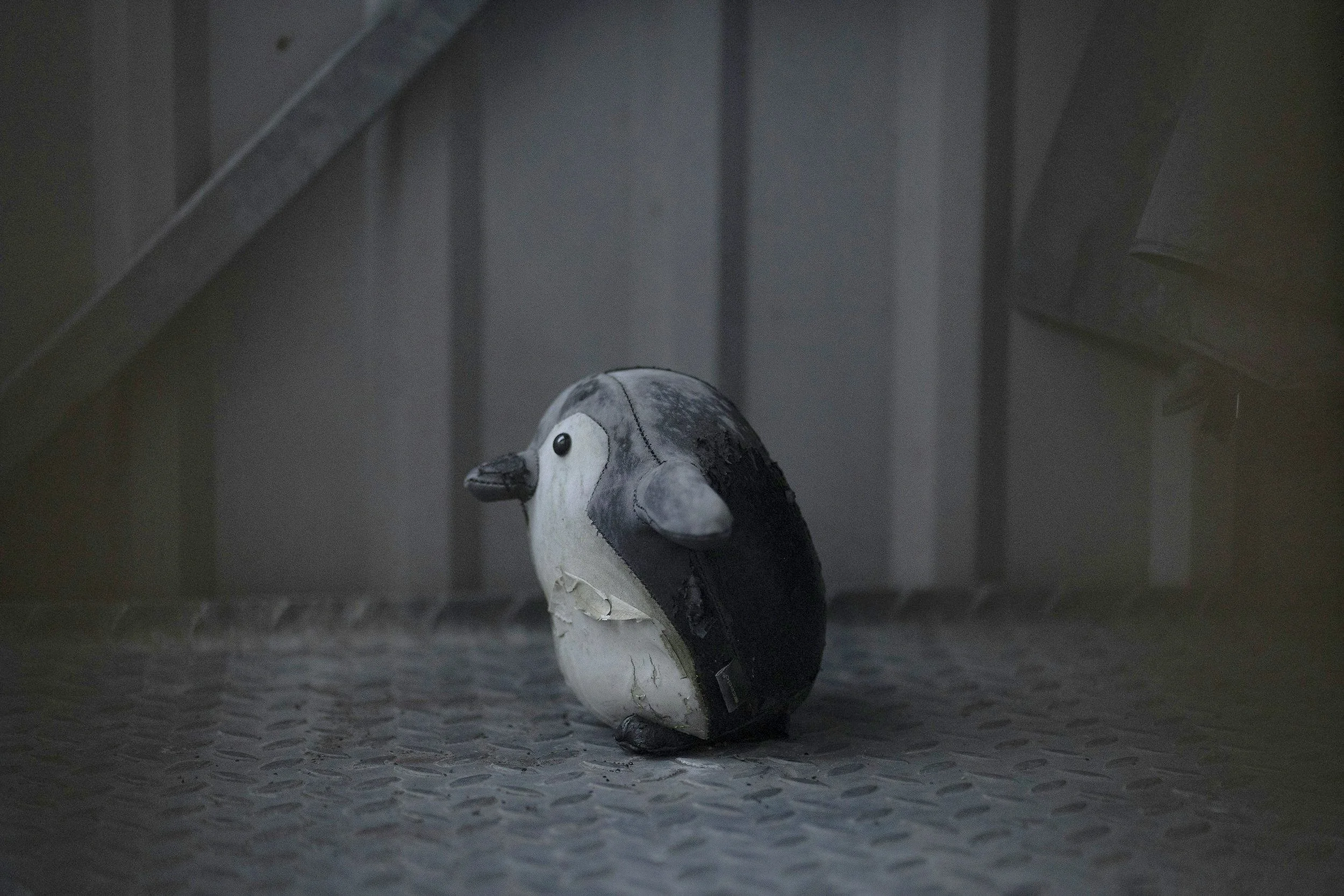
The Loneliness of Being in the Wrong Relationship
You can share a life with someone and still feel profoundly alone. This explores how emotional abuse and narcissistic dynamics create hidden loneliness.

When Love Feels Like Waiting for the Other Shoe to Drop
A delayed text or change in tone can feel like proof that your partner is pulling away. Learn where relationship anxiety comes from, how it affects closeness, and how to tell an old fear from a present concern.

Why we accept the love we think we deserve
You may know a relationship is not right for you and still feel unable to leave or find yourself repeating the same pattern with someone new. This blog explores why familiar love can feel safer than healthy love, and how relational patterns can change.

The Lies We Tell Ourselves to Stay (When Self-Deception Is Survival)
The stories we tell ourselves in relationships are often survival strategies, not failures. Explore what these beliefs protect and how healing begins.

Why Does This Hurt So Much? Healing After Betrayal
Infidelity can shatter your sense of safety and reality. This explores betrayal trauma and how healing begins after the rupture.

Stonewalling or Why Silence Can Hurt More Than Words
When one partner shuts down, silence can feel more painful than conflict. This article explores stonewalling, why it happens, how it affects the nervous system and attachment, and what supports safety, repair, and reconnection.

Why You Keep Choosing the Same Person (With a Different Face)
If you keep finding yourself drawn to emotionally unavailable or chaotic partners, it may not be a lack of insight or self-worth. Often, it's your nervous system repeating what it learned about love.
Tag Cloud
- emotional abuse
- Nervous System Regulation
- Attachment Styles
- Coercive Control
- trauma bonding
- trauma
- gaslighting
- self-trust
- toxic relationships
- relationship anxiety
- anxious attachment
- shame
- Childhood Trauma
- trauma responses
- avoidant attachment
- Toxic Shame
- hyperarousal
- post-separation abuse
- family estrangement
- window of tolerance
- Freeze Response
- hypoarousal
- generational trauma
- Narcissism
- complicated grief
- emotionally immature parents
- parentification
- trauma-informed therapy
- trauma-informed parenting
- toxic family dynamics