
Trauma, Relationships & Emotional Recovery
Trauma-informed insights on healing, boundaries and emotional safety.
These articles explore the impact of trauma, family violence, estrangement and relational wounds, offering clarity and support for people rebuilding trust in themselves and their relationships. If something here resonates, you’re welcome to reach out for a compassionate, grounding consultation.

Why I’m Still in Contact With Someone Who Hurt Me
Knowing someone harmed you does not automatically switch off attachment. This article explores why you may still feel pulled toward contact and why that does not mean you want the abuse back.

Why You Don’t Know Who You Are Anymore
After a toxic relationship, you might not recognise yourself anymore. This explores why your sense of self feels lost, and how it slowly begins to return.

When Anxious and Avoidant Patterns Collide
You can understand your patterns and still find yourself inside the same argument. This piece explores the anxious–avoidant cycle from the inside, and what begins to shift over time.

Why Knowing Your Attachment Style Doesn’t Change How You Feel
You understand your patterns. You can name your attachment style. And still, in the moment, your body reacts before you can stop it. This article explores the gap between insight and experience and why change takes more than understanding.

Why Narcissistic Partners Feel Like Two Different People
They felt warm, attentive, and deeply connected to you — until something shifted. This post explains why narcissistic partners can feel like two different people, and how love bombing, devaluation, and trauma bonding create confusion that’s hard to break.
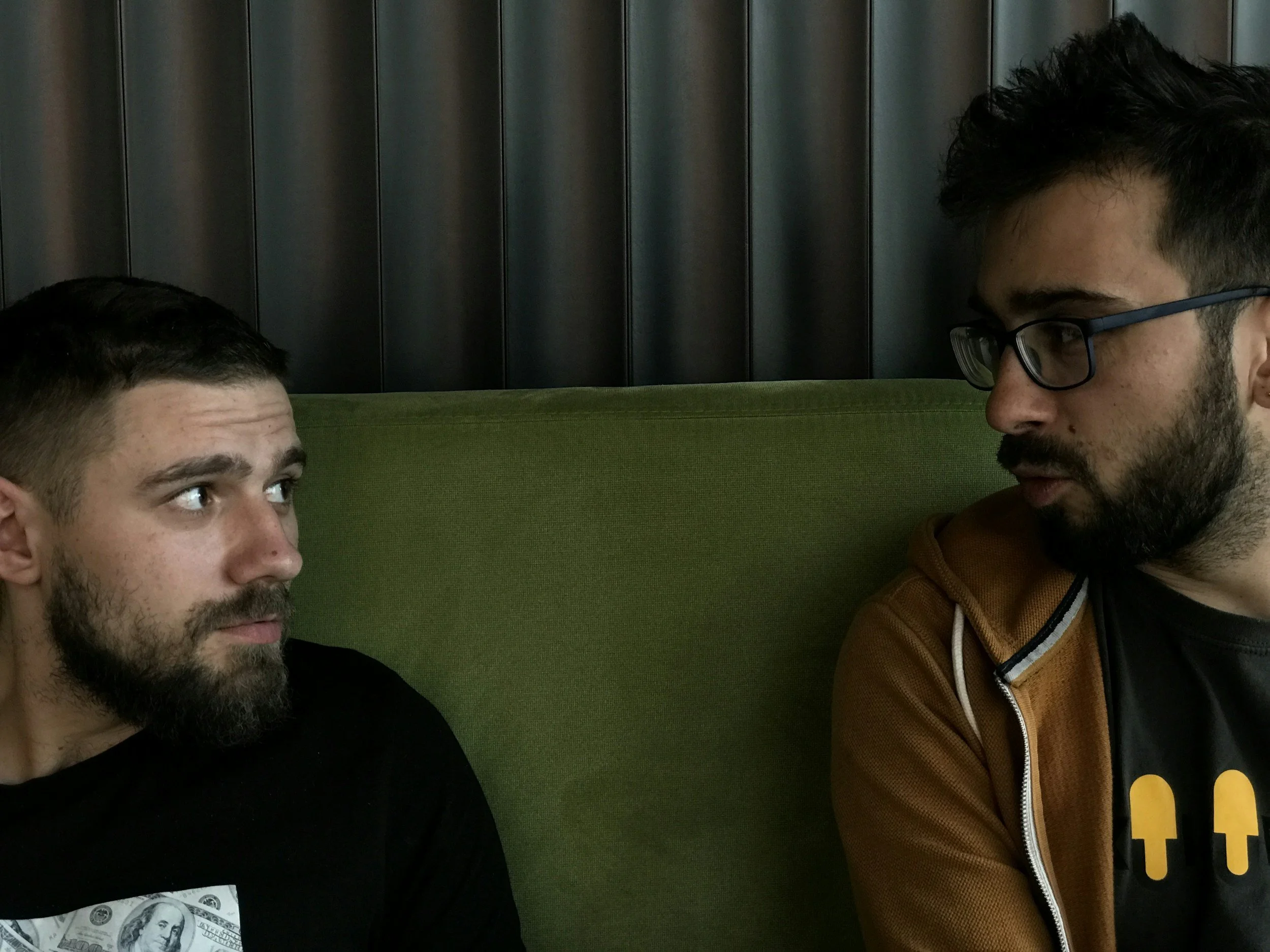
Why Emotionally Unavailable Partners Feel So Familiar
You may know they are distant or inconsistent, yet still feel more drawn to them than to someone emotionally available. This article explores why distance can feel familiar, even safer, and how attachment and trauma can shape who you are drawn to.

Why You Go Quiet When You Are Hurt
When something hurts, you want to speak and instead, you go quiet. If you shut down in difficult conversations, your nervous system may be protecting you in ways you don't yet understand.

The Glass Child; When You Were “The Easy One”
You weren’t the child who demanded attention. You were the one who coped quietly. The “glass child” experience describes what happens when a child grows up emotionally overlooked in a family under strain and how those early adaptations shape adult relationships, self-worth, and grief.

Freeze Response or Why You Can't Just Start
What looks like procrastination is often a freeze response. You know what needs to be done, but something in you shuts down. Understanding why can change the way you approach motivation, productivity and self-compassion.
Tag Cloud
- emotional abuse
- Nervous System Regulation
- Attachment Styles
- Coercive Control
- trauma bonding
- trauma
- gaslighting
- self-trust
- toxic relationships
- relationship anxiety
- anxious attachment
- shame
- Childhood Trauma
- trauma responses
- avoidant attachment
- Toxic Shame
- hyperarousal
- post-separation abuse
- family estrangement
- window of tolerance
- Freeze Response
- hypoarousal
- generational trauma
- Narcissism
- complicated grief
- emotionally immature parents
- parentification
- trauma-informed therapy
- trauma-informed parenting
- toxic family dynamics