
Trauma, Relationships & Emotional Recovery
Trauma-informed insights on healing, boundaries and emotional safety.
These articles explore the impact of trauma, family violence, estrangement and relational wounds, offering clarity and support for people rebuilding trust in themselves and their relationships. If something here resonates, you’re welcome to reach out for a compassionate, grounding consultation.

When Love Bombing Feels Like Coming Home
The beginning felt extraordinary. Like finally being seen, chosen and understood. This post explores why love bombing feels so powerful and how intensity can slowly become control.

Why You Can’t “Just Say No”, The Truth About People-Pleasing
You tell yourself you’ll say no and then you don’t. People-pleasing isn’t a lack of boundaries. It’s a nervous system response shaped by early experiences of safety, rejection, and survival.

You Got Them Out. Now What? Helping Your Child Heal
Supporting a child after an abusive relationship is deeply challenging, especially when you’re healing too. This article offers trauma-informed guidance to help children make sense of their emotions, understand their coping responses, and begin to feel safe again.
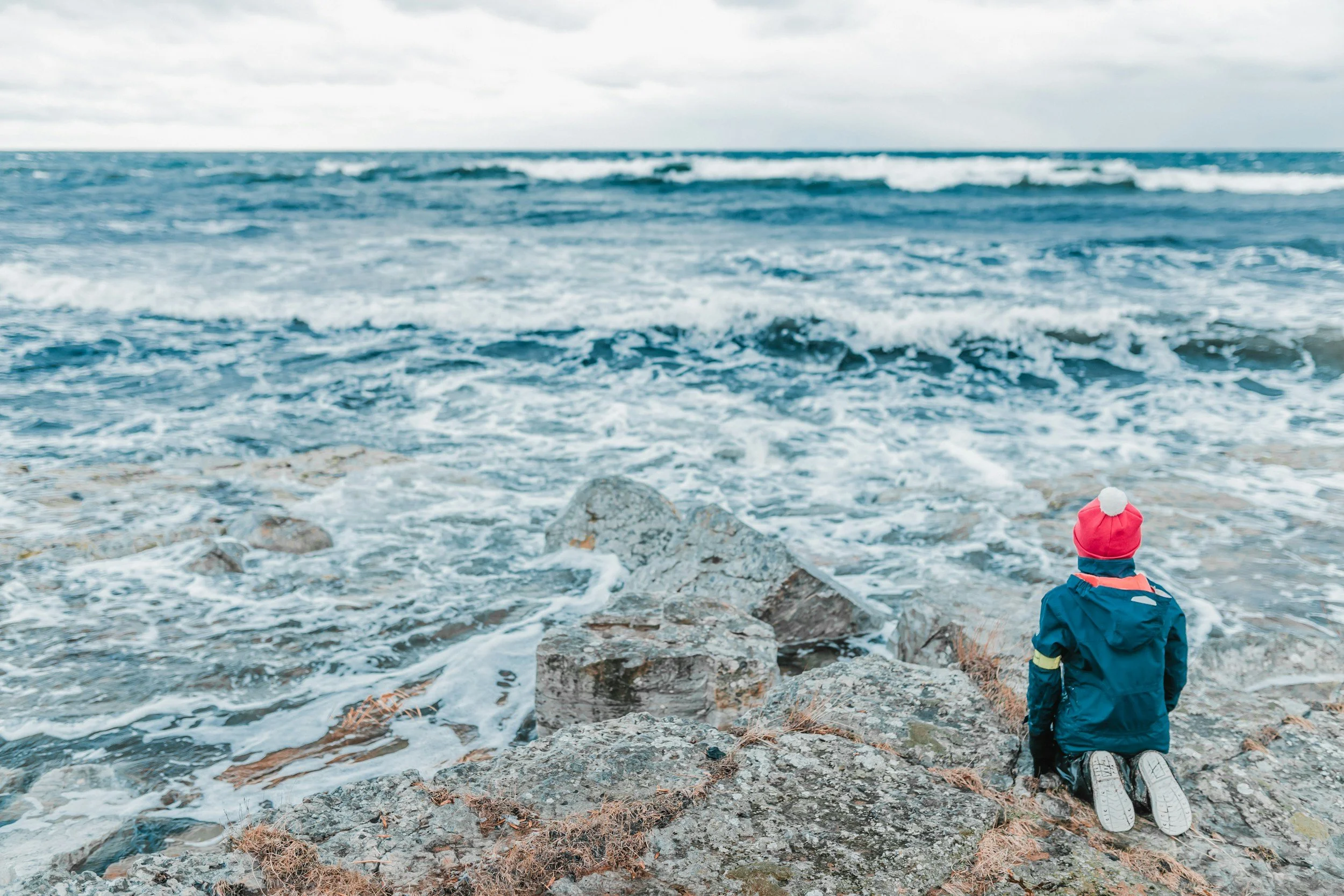
Healing From Childhood Trauma. Where to Begin
Healing from childhood trauma rarely follows a clear path. It often begins with recognition, and unfolds through grief, new ways of responding, and a gradual rebuilding of safety in the body and in relationships. This article explores what recovery actually looks like, beyond quick fixes or linear stages.

Why Setting Boundaries Feels So Hard (and What They Actually Look Like in Real Life)
Struggling to say "no"? This trauma-informed guide explores why boundaries feel so difficult, how early experiences shape your relationship with limits and how to protect your energy without being consumed by guilt.

Why Do I Feel Empty Inside?
Emotional emptiness can feel like a disconnection from your own inner life, a sense of being present but not fully there. This article explores how it develops through early experiences and why it is often a protective response, not a personal failing.

She Didn't Call It Abuse. When Emotional Abuse Doesn't Look Like Harm
Not all abuse looks obvious. Many people leave relationships doubting themselves and wondering whether what happened “counts.” Learn why emotional abuse can be hard to recognise and what changes once you can name it.

Closure Doesn't Come From Them.
Many survivors find themselves waiting for an apology, an explanation, or some final piece of understanding. This article explores why closure after abuse is so difficult and what healing can look like when those answers never come.

When the Court Becomes a Weapon - Legal Abuse After Leaving
When the legal system is used to punish, control, or exhaust you after leaving, the harm doesn’t end , it changes form. This article explains legal abuse, how it operates after separation, and how to protect your wellbeing while navigating an unsafe system.
Tag Cloud
- emotional abuse
- nervous system regulation
- attachment styles
- coercive control
- self-trust
- trauma bonding
- gaslighting
- trauma
- shame
- trauma responses
- anxious attachment
- relationship anxiety
- childhood trauma
- avoidant attachment
- toxic relationships
- post-separation abuse
- family estrangement
- parentification
- complicated grief
- narcissism
- freeze response
- emotionally immature parents
- family roles
- generational trauma
- inner critic
- relationship conflict
- hyperarousal
- trauma-informed parenting
- toxic family dynamics
- disenfranchised grief